Email marketing: how to turn your leads into paying customers
Learn how to create effective email marketing campaigns and discover how to turn your leads into paying customers!
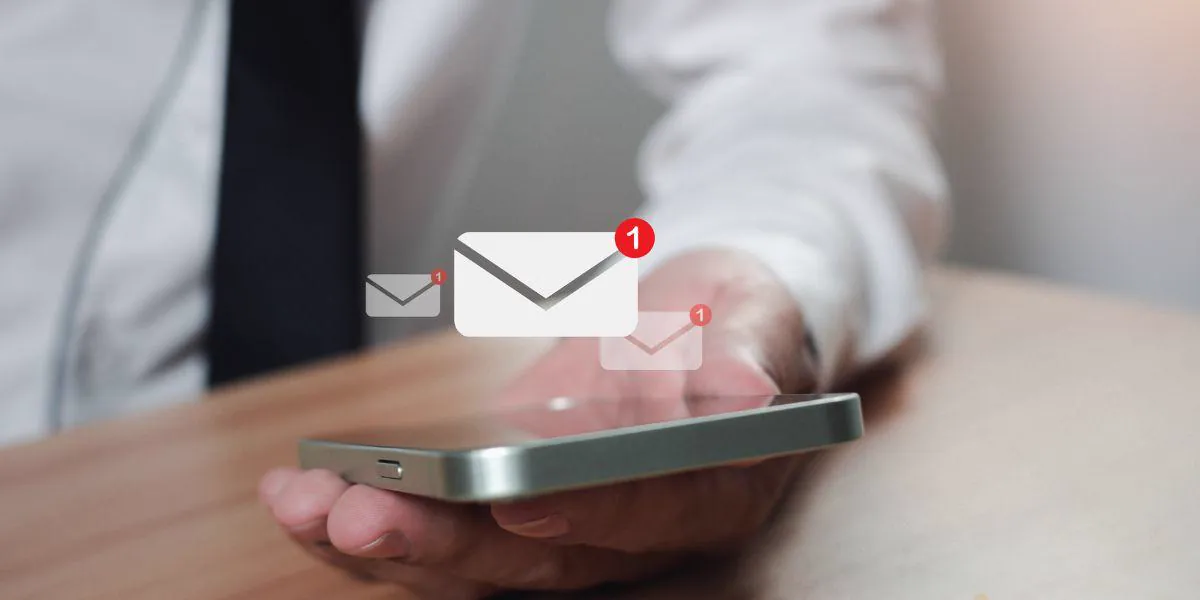
Email marketing is still one of the most effective tools for turning leads into paying customers. Even with the rise of social media and new digital marketing strategies, email still delivers one of the highest ROIs on the market.
According to a Litmus study, the average return for every dollar invested in email marketing can reach US$36. That means that, when done right, email marketing can be one of the most profitable strategies for your business.
But how do you make sure your campaign actually works? In this article, you'll learn how to build a strategic email marketing plan that turns your lead base into a steady source of conversions.
What is email marketing?
Email marketing is a direct communication strategy with leads and customers that uses personalized messages to nurture them throughout the buyer's journey.
Its big advantage is that it's highly measurable, letting you track success metrics such as open rate, click-through rate and conversions in real time. It can be used for different goals, such as:
- Lead generation: attracting new contacts through relevant content.
- Prospect nurturing: sending educational content that guides the lead toward a purchase.
- Promotions and launches: special offers to encourage immediate purchases.
- Customer relationships: strengthening the bond with your existing customer base.
- Loyalty and retention: sending content and offers to keep customers engaged and reduce churn.
Businesses that know how to do email marketing well can create segmented, highly personalized campaigns, boosting open rates, clicks and conversions.
Unlike strategies such as paid ads, where you pay for every click, email marketing offers a high return on investment, because you control delivery directly to your leads.
How to do email marketing that actually converts
If you want to learn how to create effective email marketing, you need to follow a few essential best practices.
The goal of email marketing isn't just to drive traffic or clicks, but conversions. With that in mind, here are the key steps to make your campaigns a success:
Build a qualified contact list
The first step toward effective email marketing is having a well-segmented lead base. Without a qualified list, your emails may end up ignored or even flagged as spam.
A qualified base plays a crucial role in making sure your messages reach the right people, who are more likely to convert.
Some ways to capture qualified contacts include:
- Sign-up forms on your website: place sign-up forms in strategic spots on your site to encourage visitors to join your email list.
- Free resources (e-books, webinars, checklists): offer high-value content in exchange for the lead's sign-up. This kind of lead magnet is a great way to capture leads interested in your niche.
- Newsletter sign-ups: the idea here is to establish ongoing communication with your leads, offering them valuable information.
- Strategic pop-ups with incentives: show pop-ups on your site that offer something relevant (like discounts or exclusive content) in exchange for contact details.
Avoid buying email lists. It can damage your brand's reputation and hurt your messages' deliverability.
When you buy lists, there's a good chance your emails will end up being marked as spam, which undermines your ability to reach your leads' inboxes.
Segment your leads
Don't send the same email to your entire base. Segmentation is key to increasing conversion rates, making sure each group of leads receives messages that are relevant to them.
Good segmentation also allows for deeper personalization, which leads to more conversions.
You can group your leads by:
- Demonstrated interest: if you offer different types of products or services, split your leads according to the interest they've shown in each one.
- Sales funnel stage: leads at different stages of the buyer's journey need different messages. For example, a lead at the top of the funnel (still unaware of your solutions) needs general, educational information, while a lead at the bottom of the funnel (ready to buy) will need offers and more urgent calls to action.
- Geographic location: buying behavior can vary a lot depending on where the lead is. You can tailor your communication by region for a more effective approach.
- Purchase history: understand your leads' buying behavior so you can send targeted offers. If someone has already bought from you, for example, it may be worth sending offers for complementary products.
- Engagement with previous emails: leads who interact with your emails are more likely to convert. Identify them and send more personalized, targeted messages.
This way, each lead receives more relevant, personalized messages, increasing their chances of converting.
Personalize your content
Generic emails don't work as well as personalized messages. Personalization goes beyond just using the lead's name.
By tailoring content to the user's behavior and interests, you can significantly increase open and engagement rates.
Use the lead's name in the email's subject line and body, send content based on past behavior and offer personalized recommendations for products or services.
Another effective personalization technique is using behavior-based recommendations, such as suggesting a product the lead viewed on your site but didn't buy.
Nail your subject line
The subject line is the first impression a lead gets of your email. If it isn't appealing, there's a good chance the email will be ignored.
That's why writing irresistible email subject lines is essential to improving your open rates.
Here are some tips for writing irresistible subject lines:
- Be direct and to the point: make it clear what the lead will find in the email. Example: “The secret to boosting your sales by 50%”.
- Spark curiosity: pique the reader's curiosity so they want to know more. Example: “Are you leaving money on the table? Find out why”.
- Include numbers or statistics: people tend to click more when they see numbers. Example: “Increase your conversion rate by 30% with these tips”.
- Personalize whenever possible: including the lead's name in the subject line is a simple, effective way to grab attention. Example: “[Name], here's the secret to boosting your conversions by 50%!”
- Avoid words that trigger spam filters: terms like “free” or “limited offer” can send your email straight to the spam folder.
Write an engaging, skimmable email
Most email readers skim their messages, so it's important to make reading easy and ensure your message is understood quickly. To do that, use a clear, straightforward structure.
To write an engaging, skimmable email, follow these tips:
- Use short sentences and paragraphs: avoid long blocks of text, as they can discourage the reader from continuing.
- Add subheadings: they help break the content into sections and make it easier to navigate.
- Bold key words: this makes the email easier to skim and emphasizes the most important points.
- Use lists and bullet points: they make the content clearer and more concise, helping you get information across quickly.
How to create email marketing in Outlook
If you want to know how to create email marketing in Outlook, you can use features like email templates, HTML formatting and integration with automation tools.
Outlook offers several features to help you create more dynamic and effective marketing emails.
The basic steps to create a marketing email in Outlook are:
- Open Outlook and go to the new email tab: create a new email.
- Customize the content and formatting: add the information you want to include.
- Use HTML for a more appealing design: add visual elements that make the email more dynamic and visually interesting.
- Test the email before sending: send it to yourself and check how it looks and works before sending it to your whole list.
- Set up follow-up automations: automate follow-up emails to boost conversions. You can set up email sequences that are sent automatically based on how leads interact.
How to create an HTML marketing email
HTML lets you create more visual, professional emails, improving the user experience and increasing conversion rates.
Well-structured, visual emails make your leads more drawn to the content and more likely to click.
Some tips for creating an HTML marketing email are:
- Use responsive templates: this ensures the email adapts to different screen sizes, especially on mobile devices.
- Add optimized images: make sure images are optimized for email, so the file doesn't get too heavy and slow down loading time.
- Test the design on different devices: check how the email looks on desktops, tablets and phones to ensure a good experience on any device.
- Avoid excessive code: keep the code clean and simple so the email has good deliverability and isn't flagged as spam.
Tools to optimize your email marketing strategy
Working with specialized tools makes automation easier and improves campaign performance. Some of the main platforms are:
- Mailchimp: ideal for small and medium-sized businesses.
- RD Station: great for marketing automation.
- ActiveCampaign: a complete solution with a built-in CRM.
- HubSpot: a robust platform for large companies.
These tools let you segment your lead base, personalize campaigns, automate sends and track key metrics to continuously improve your email marketing strategy.
Analyzing metrics: how do you know if your campaign is working?
To make your strategy a success, you need to track your email marketing metrics. Some of the main metrics to monitor include:
- Open rate: how many people opened your email.
- Click-through rate: how many clicked the links in the email.
- Conversion rate: how many leads took the desired action (purchase, download, sign-up).
- Unsubscribe rate: how many contacts asked to be removed from your list.
If your rates are low, try testing different subject lines, formats and send times to optimize your results.
Email marketing remains one of the most powerful and effective tools for turning leads into paying customers.
When it's well structured, with a qualified contact list, proper segmentation and personalized content, it becomes a strategy with a high return on investment.
To succeed, you need to make sure your emails are relevant, engaging and optimized for a smooth experience, using best practices like compelling subject lines and a visually striking design.
By using automation tools and tracking key metrics such as open and conversion rates, you can keep improving your campaigns.
With Keepo, you can create optimized minisites that boost your conversions and guide your leads strategically. Try it now!