The evolution of digital marketing and the role of minisites
Discover everything about the evolution of digital marketing and how minisites power online strategies.
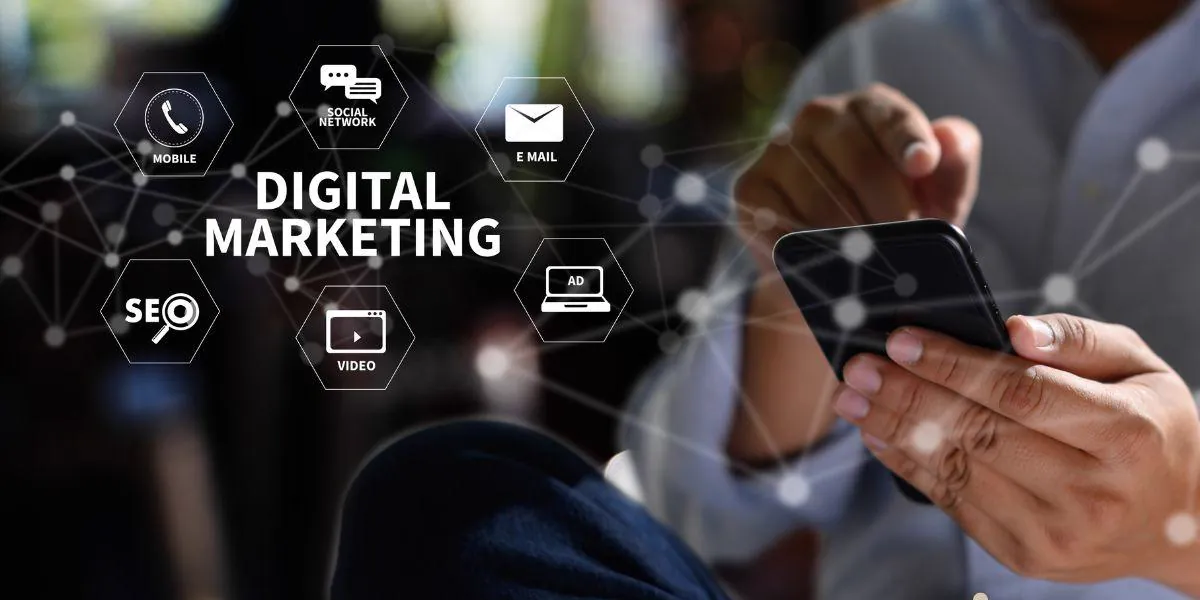
The evolution of digital marketing has redefined the way brands connect with their audiences, creating more authentic and personalized relationships.
Over the years, technological innovations, shifts in consumer behavior, and the emergence of specialized tools, such as minisites, have been changing how businesses stand out in the market.
In this blog post, we'll explore how this transformation has shaped the digital landscape and the role minisites play in creating impactful, engaging experiences.
The origins and transformation of digital marketing
Digital marketing began gaining momentum as the internet became mainstream, when businesses realized they could reach a global audience at a fraction of the cost of traditional media.
From the first banner ads to the rise of social media and content marketing, the evolution of digital marketing has been defined by a constant pursuit of innovation and efficiency.
Today, sophisticated, highly targeted strategies make it possible to personalize campaigns and measure results with precision.
Key historical milestones
- 1990s: the first corporate websites and banner ads appear. The internet was seen as a tool to complement traditional campaigns.
- Early 2000s: search marketing (SEO and SEM) starts gaining ground, allowing businesses to show up at the top of search engine results.
- Mid-2000s: the social media boom transforms the landscape. Platforms like Facebook, Twitter, and LinkedIn offer new channels for engagement and relationship building.
- Recent years: content marketing, marketing automation, and data analytics have become fundamental pillars. The rise of minisites marks a new stage in digital strategy, enabling more focused campaigns and personalized experiences.
The main phases in the evolution of digital marketing
Digital Marketing 1.0: the Beginning
In the '90s, as the internet became widespread, the first digital marketing strategies emerged. During this period, businesses used corporate websites as little more than online catalogs.
Digital advertising was limited to banners and promotional emails, with no interactivity or advanced targeting.
Digital Marketing 2.0: interactivity and social media
With the rise of Web 2.0, social media emerged as an essential communication channel between brands and consumers.
Businesses began investing in relevant content to engage their audiences, encouraging interaction and sharing.
Digital Marketing 3.0: personalization and user experience
The rise of mobile devices and new technologies enabled a more personalized approach to marketing.
Businesses started using big data and automation to deliver customized experiences to their customers. This is where minisites gained ground as an essential tool for targeted campaigns.
Digital Marketing 4.0: artificial intelligence and automation
Today, the evolution of digital marketing is built on AI, chatbots, voice search, and hyper-personalization.
The focus is on user experience, and minisites are a key element of digital strategy, since they offer optimized pages designed to meet the specific needs of each audience.
The impact of the evolution of digital marketing on society
Digital transformation doesn't just affect businesses – it profoundly impacts the way we communicate, consume information, and make decisions
The evolution of digital marketing has democratized access to information and allowed small businesses to compete on equal footing with big brands.
Education and information within everyone's reach
Easier access to quality information has allowed professionals in many fields to keep up to date and adapt to new trends.
This democratization of knowledge is one of the great benefits of the digital age, driving innovation and economic growth.
Interactivity as a differentiator
With the rise of social media and minisites, interactivity between brands and consumers has reached unprecedented levels.
Today, users don't just consume content; they also interact, comment, share, and influence how campaigns are directed.
This exchange of information has created a more dynamic, collaborative environment, where user feedback becomes a strategic asset for businesses.
Engagement and participation
Digital platforms provide a direct channel for dialogue between consumers and businesses, fostering an environment of transparency and active participation, where user feedback becomes crucial for improving strategies.
Inclusion and diversity
Digital marketing allows many different voices to be heard. Campaigns that were once aimed at a narrow audience now reach people around the world, helping to value diversity and inclusion.
The role of minisites in the new digital strategy
Minisites emerged in response to the need to offer more specific content and distinctive browsing experiences to users.
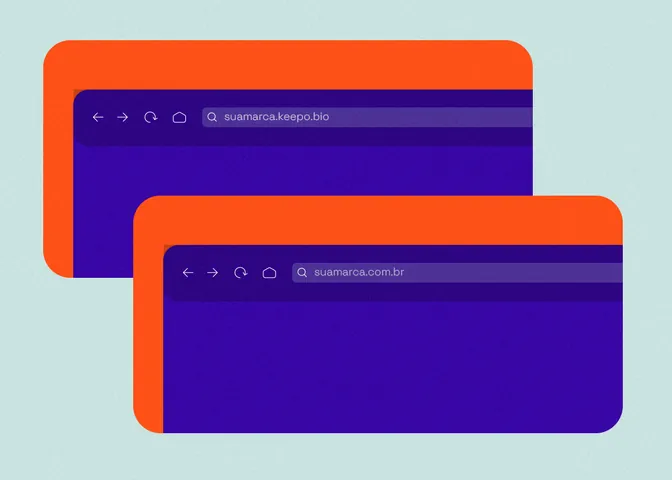
Unlike traditional websites, minisites are single pages or small sets of pages with a clearly defined theme, which can be used for promotional campaigns, product launches, or special events.
Benefits of minisites
Targeting and personalization
By concentrating specific information on a minisite, you can create a personalized journey for each visitor. This targeting helps boost engagement and conversions, since the content is aimed at an audience with well-defined interests.
Better user experience
Thanks to their streamlined structure and single focus, minisites offer a smoother, more intuitive experience, eliminating distractions and making navigation easier.
This keeps users on the page longer and improves metrics such as time on page and conversion rate.
SEO optimization
Because they focus on a single topic, minisites can be optimized more effectively for specific keywords.
For example, terms like “the evolution of digital marketing” and “evolution of digital marketing PDF” can be targeted strategically, attracting qualified traffic and increasing domain authority with search engines.
Flexibility and agility
Campaigns run on minisites can be updated and changed quickly, allowing businesses to adapt to market changes or user feedback in an agile, efficient way.
Explore Keepo's solutions and discover how to transform your digital strategy.
Optimization strategies: using minisites smartly
Building well-structured minisites can be what sets your digital marketing campaign apart. Here are some strategies to make sure your minisite is a success.
Set a clear goal
Before you start building your minisite, it's essential to define the goal of your campaign.
Whether it's promoting a new product, generating leads, or publicizing an event, clear goals help you guide your content and marketing actions effectively.
Structure your content cohesively
Organize information in a logical, appealing way. Break your content into sections with headings and subheadings that make reading and navigation easier.
Also, use visual elements such as images, infographics, and videos to complement your message and engage visitors.
Invest in On-Page SEO
Optimize every page of your minisite with relevant keywords. For example, in the context of “evolution of digital marketing,” you need to work this keyword naturally into your content, headings, descriptions, and tags.
Also, don't forget to use complementary terms like “evolution of digital marketing PDF” to attract an even more qualified audience.
Offer a clear call to action
CTAs are essential for guiding user behavior. Throughout your content, add buttons and links that encourage readers to take action, whether that's getting in touch, downloading a resource, or signing up for a newsletter.
Remember that well-placed CTAs can significantly increase conversion rates.
Analyze and adjust
Use analytics tools to monitor your minisite's performance. Metrics such as conversion rate, time on page, and traffic sources are key to spotting areas for improvement and adjusting your strategy as needed.
The future of digital marketing
- Artificial Intelligence: AI-powered tools analyze large volumes of data to identify behavior patterns.
- Automation: a wide range of tools automate processes, speeding up how campaigns are launched and adjusted.
- Personalization and user experience: content based on behavior, purchase history, and individual preferences is a growing trend. Minisites, for example, are used to create customized, immersive journeys for each audience segment.
- Interactive and immersive content: formats like videos, podcasts, livestreams, and virtual or augmented reality experiences are gaining ground as ways to engage consumers.
The evolution of digital marketing is an ongoing process, driven by technology, changing consumer behavior, and businesses' need to stay competitive.
Minisites are emerging as a powerful tool for specific campaigns, offering a distinctive, focused experience that can improve engagement and conversion rates.
By combining the innovative concepts behind minisites with solid digital marketing strategies, companies like Keepo show that it's possible to turn challenges into real growth opportunities.
Now is the time to rethink your strategies, invest in technology, and adopt a customer-centric approach to stand out in an increasingly demanding market.
If you want to boost your digital marketing and give your audience a direct, efficient channel, try Keepo and discover how a minisite can revolutionize your online strategy!